Overview
The Amalfi Coast isn't a single destination—it's a ribbon of villages cascading down limestone cliffs into turquoise waters. This stretch of Campania's coastline has captivated travelers for centuries, from Roman emperors to modern wanderers seeking the essence of dolce vita. The towns here move at a different pace: slower, more deliberate, where time seems measured in espressos and sunsets. Pastel-colored buildings tumble down to pebble beaches, terraced lemon groves perfume the air, and narrow streets wind through centuries-old architecture. It's a place where luxury is redefined as simplicity—a perfect limoncello, an afternoon on the beach, conversation over dinner that lasts until the stars emerge.
Best Time to Visit
May through early June and September through October offer the ideal balance: warm Mediterranean weather without the peak summer crowds that clog the narrow streets and beaches. The sea is calm enough for swimming and boat excursions, and the light at these times of year is particularly golden and forgiving.
Neighborhoods to Know
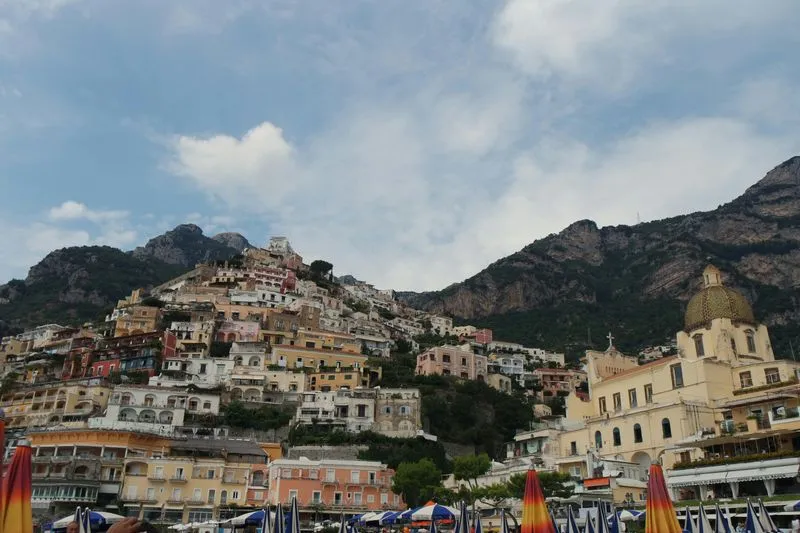
Positano Positano is a vertical village where pastel houses seem stacked impossibly on top of one another, leading down to a pebbled beach. It's intimate and romantic—the kind of place where you arrive expecting to stay one night and somehow find yourself there a week later. The main beach has that rare quality of being both busy and peaceful, and the elevated dining and shopping reflect the town's status as the coast's most polished jewel.
Amalfi Town The largest settlement on the coast, Amalfi holds medieval roots and a more grounded energy than its glitzier neighbor. The cathedral is magnificent, the piazza inviting, and the network of steep pedestrian alleys reveals hidden gems at every turn. It's the best base for accessing the wider coast and feels authentically lived-in rather than purely touristic.
Ravello Perched high above the coast, Ravello trades sea views for something equally valuable: perspective. Elegant villas with terraced gardens offer sweeping panoramas, and the town has long attracted artists, musicians, and contemplative travelers. It's cooler, quieter, and feels like a secret even though it's well-known—a place where an afternoon can disappear into a villa garden or concert hall.
Praiano This small fishing village is refreshingly unpretentious, with a handful of restaurants serving the day's catch and a genuine local energy. It's connected to both Positano and Amalfi by the coastal path, making it an ideal mid-hike meal stop or a quiet alternative if the bigger towns feel crowded.
Food & Drink
The Amalfi Coast's cuisine is fundamentally Mediterranean: fresh seafood, preserved lemons, capers, wild herbs, and pasta made from durum wheat. Expect simply prepared fish grilled or in light sauces, hand-rolled pasta shapes you won't find elsewhere, and vegetables grown in those famous terraced gardens. The region's limoncello is sharp and herbaceous—nothing like the syrupy versions elsewhere. Local cheeses, dried figs, and preserved anchovies are gifts worth carrying home. Street-level dining means fresh pasta from family-run trattorias; mid-range spots serve the same cuisine on cloth napkins; elevated establishments present these flavors with additional refinement and views to match.
Getting Around
The SITA buses are the lifeline connecting coastal villages—cheap, frequent, and entertaining. They cling to cliffsides with views that rival any paid boat tour. Boats run between towns seasonally and offer dramatic perspectives. Cars are possible but navigating the narrow roads requires confidence (and small vehicles). Within towns, everything is reachable on foot, though feet will traverse many stairs. Ferries connect major towns in summer months.
Insider Tips
- 1Visit in shoulder season. September is technically summer, but the Italian families return to school and work, leaving the coast noticeably quieter while weather remains perfect.
- 1Take the Path of the Gods in reverse. Most guides recommend Positano to Praiano, but doing it backward means the big reveal of Positano comes at the end, when you're tired and hungry—making it feel even more like arrival.
- 1Eat where Italians eat. Main piazzas and beachfront restaurants are reliably lovely but expensive. Venture into residential areas and upper streets to find where locals actually dine; the quality is the same and prices are half.
- 1Stay in Amalfi, visit Positano. You get the charm and practicality of a real town, plus easy access to Positano by boat or bus without the premium pricing of staying there.
- 1The lemon groves are actual workplaces. Don't assume you can wander into them freely. Respect the terraces and ask before exploring—many farmers welcome genuine interest.
### The Velvano Touch
The Amalfi Coast rewards slow, intentional travel. This isn't a checklist destination; it's a place to uncover your own rhythm against one of Europe's most stunning backdrops. We'll craft an itinerary that respects the coast's pace—fewer towns, more time, more depth. Whether you're drawn to the drama of cliffsides, the simplicity of seafood, or the contemplative stillness of terraced lemon groves, we'll build the days around what matters to you.
---