Overview
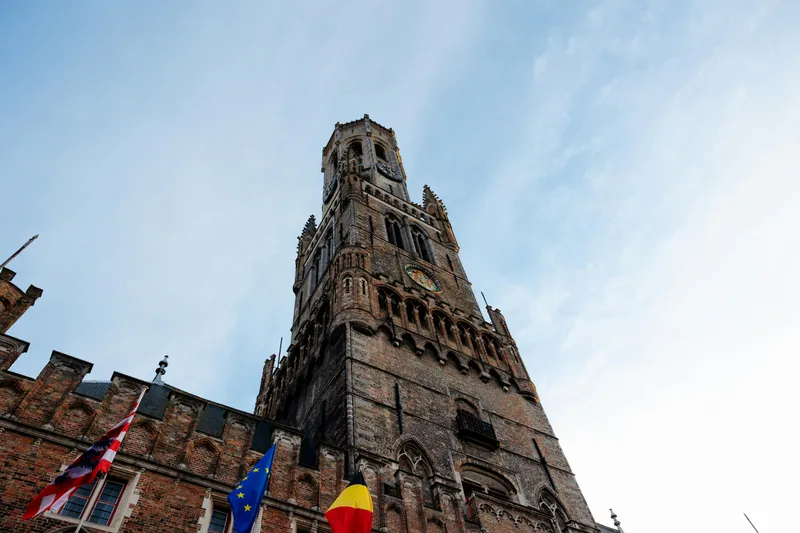
Bruges feels like stepping into a medieval painting come to life. The city's canals reflect bell towers and gabled facades; the streets are cobblestone; the pace is unhurried despite overwhelming tourism. This is one of Europe's best-preserved medieval cities, yet it avoids feeling like a museum—people actually live here, work here, gather in cafés and plazas. The light on the canals is particularly beautiful at dawn and dusk, when tourists thin and the city feels like it belongs to residents again. Bruges rewards those who arrive with patience; you'll discover quiet streets, hidden gardens, local cafés, and the particular magic of a city that's been cherished and maintained for centuries. The chocolate is excellent; the beer is world-class; the pace invites lingering.
Best Time to Visit
April through May and September through October offer ideal weather and relative calm. July and August are crushingly crowded; if you visit then, you'll need strategies to access the city's authentic character. Winter brings fewer tourists and atmospheric light, though colder temperatures and occasional rain require planning.
Neighborhoods to Know
Historic Center (Centrum) The heart of Bruges, centered around Belfry Square, contains the major sights and also the most tourists. Early morning exploration or evening walks reveal the magic before/after crowds. The medieval architecture is genuine and extraordinary.
West Bruges Beyond the major canals, western neighborhoods retain the medieval layout but feel more residential and less touristic. Discover convents, churches, quiet canals, and local bakeries. You'll encounter other tourists but not the overwhelming density of the center.
North Bruges The area around Sint-Anna offers quieter canals, smaller churches, and genuinely local energy. This is where Bruges residents actually spend time—markets, neighborhood restaurants, regular cafés.
Gentpoort Area Named for the gate leading to Ghent, this neighborhood has a village-like feel with canals, parks, and residential charm. It's less touristic while remaining close enough to the center for easy access.
Food & Drink
Belgian food emphasizes hearty preparation and quality ingredients: mussels, fries, waffles, chocolate, beer. Waterzooi (vegetable or meat stew), cheese, and fish feature prominently. Belgian beer—Trappist and abbey beers especially—is world-renowned; each has distinct character and alcohol content. Fries are cultural; eat them from a paper cone with mayo. Belgian chocolate ranges from artisanal to commercial. Coffee and hot chocolate are taken seriously. Street food means fries, waffles, and chocolate; mid-range restaurants serve Belgian specialties in casual settings; elevated dining presents Belgian ingredients with contemporary technique.
Getting Around
Bruges is best explored on foot; everything is within walking distance. Bikes work well for longer distances and surrounding areas. Boats traverse the canals and offer both transport and sightseeing. The historic center is car-free, maintaining its pedestrian character. Buses connect to surrounding towns.
Insider Tips
- 1Visit in early morning or late evening. Tour groups depart by mid-morning and return by early evening. The city is transformed—medieval, atmospheric, genuinely Bruges rather than Bruges-for-tourists.
- 1Stay beyond the historic center if possible. Guesthouses in surrounding neighborhoods offer better value, authentic living, and proximity without the density. You're still close to everything but sleeping in genuine Bruges.
- 1Walk every small street. The charm is in the details: hidden gardens, quiet corners, small churches, unexpected courtyards. Don't stick to main routes; the cobblestone maze is the point.
- 1Skip the major chocolate shops. Artisanal chocolatiers tucked on quieter streets offer better quality and character than storefront chains. Ask locals; they'll point you to their preferred makers.
- 1The Begijnhof and other convents are genuine refuges. These quiet, contemplative spaces offer respite and authentic history. Spend time in them—they're underutilized by tourists.
### The Velvano Touch
Bruges is best experienced as a contemplative meditation on medieval Europe, not a checklist of sights. The city rewards patience, early mornings, quiet exploration. We'll craft your days around the genuine magic—avoiding peak tourist hours, discovering neighborhoods where locals gather, finding the Bruges that exists beneath the postcard version. It's a place that transforms when you move slowly through it.
---