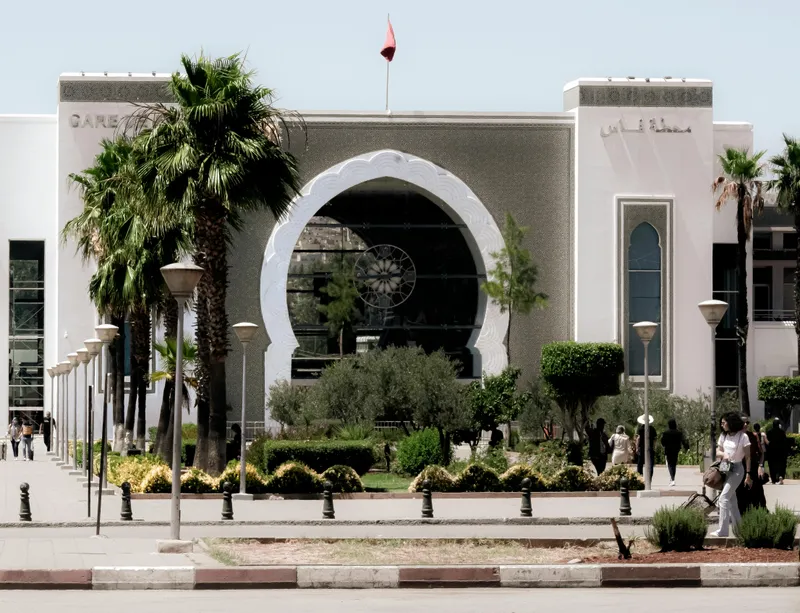
Overview
Fez is a medieval city that feels genuinely removed from contemporary time. The medina is one of the world's largest and most complex—a labyrinth of narrow streets, hidden squares, and intricate social organization that has functioned for centuries. Leather tanneries operated since medieval times still produce in traditional methods. Mosques and schools showcase Islamic architecture and craftsmanship. The medina has no cars, no planned streets in the Western sense—it functions through knowledge, tradition, and genuine memorization of pathways. Getting lost is inevitable and part of the experience. The new city offers modern amenities. Fez rewards those with patience to wander, talk with locals, and appreciate how this city maintains itself.
Best Time to Visit
April–May and September–October bring ideal weather—warm days (70–80°F), cool nights, low rainfall. November–March is cool and rainy but offers fewer tourists. June–August is hot (85–95°F) and crowded. Ramadan (dates shift yearly) affects rhythms. Book accommodations in advance.
Neighborhoods to Know
Medina: The medieval walled city with souks, mosques, schools, traditional life. Dense, atmospheric, genuinely functioning neighborhood with tourism overlay.
Mellah: The historic Jewish quarter with distinct architecture and cultural history. Fewer tourists than main souks but equally significant.
Ville Nouvelle: The modern French colonial planned city with grid streets, colonial architecture, contemporary amenities. Less interesting architecturally.
Fes el-Bali and Fes el-Jadid: The two main medina areas, each with distinct character and layered history.
Surrounding countryside: Mountain villages, cedar forests, and traditional communities accessible via day trips.
Food & Drink
Moroccan food culture emphasizes spices, tradition, and communal eating. Tajine, couscous, pastilla, harira, fresh bread, mint tea. Preserved lemons, argan oil, spices. Moroccan coffee strong and black.
Street Level: Vendors and food stalls throughout the medina sell tajine, couscous, fresh juice, pastries. Markets offer prepared traditional dishes and fresh produce.
Mid-Range: Casual restaurants in and near the medina serve Moroccan cooking in traditional riads. Neighborhood spots offer authentic preparation.
Elevated: Fine dining in renovated riads emphasizes traditional techniques and refined presentation. Wine service available despite Islamic prohibition.
Getting Around
The medina has no cars and no planned street grid. Navigation by GPS is essentially impossible. Hiring a guide helps. Solo exploration and getting lost is the experience. The Ville Nouvelle is walkable. Transportation between Fez and surrounding areas requires buses, shared taxis, or car rental.
Insider Tips
- 1Get deliberately lost in the medina—this is the experience. Bring a map but don't rely on it. Ask locals for directions. The conversations matter more than reaching destinations.
- 1The leather tanneries are worth seeing, though tours are touristy. Observe traditional methods and colors created through natural processes. The smell is intense but authentic.
- 1Traditional riads offer the best medina experience. Having dinner in a riad courtyard surrounded by zellige tilework and Islamic architecture creates genuine connection.
- 1Hire a local guide for initial orientation and context. After guided introduction, solo exploration is enriched by understanding.
- 1The pace is slower than modern cities—embrace it. Sitting in a café with mint tea, observing medina life, understanding that this city operates differently.
### The Velvano Touch
Fez is one of the world's few truly medieval cities functioning as actual human habitat. We craft itineraries honoring the medina's complexity, encouraging exploration and getting lost, and supporting traditional craftsmanship and communities.
---