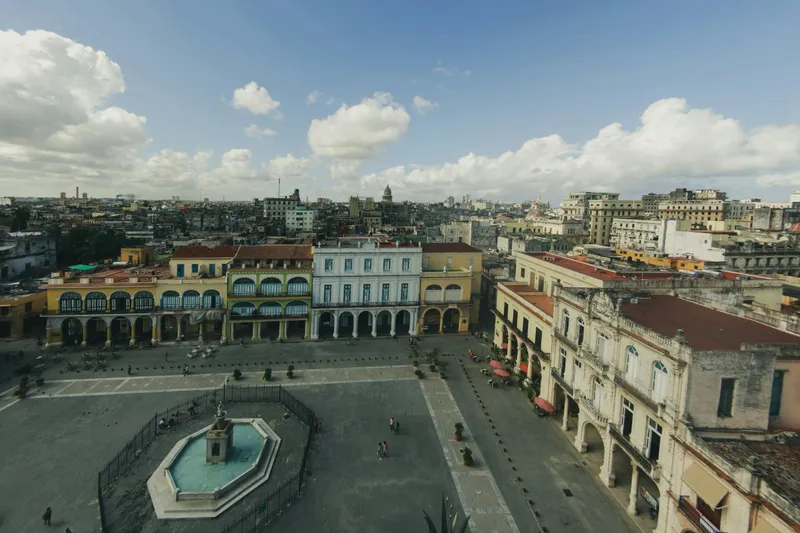
Overview
Havana exists in a temporal peculiarity—isolation has frozen certain aesthetics while permitting others to evolve. The city's color palette is exuberant: buildings painted in faded jewel tones line streets where American cars from the 1950s still operate as daily transportation. The music culture is so embedded in daily life that it feels less like entertainment and more like background oxygen. Revolutionary history is inescapable and complicated. Recent opening to tourism has transformed certain neighborhoods while leaving others untouched by external expectations. Havana rewards slow exploration and genuine curiosity about a culture that's endured decades of economic siege while maintaining dignity and distinctive identity.
Best Time to Visit
November–April brings ideal weather—warm but not oppressively hot, with lower humidity. May–October is hotter and wetter, with hurricane season occurring June–November. Winter brings cruise ship crowds and higher prices. Summer months are quieter and cheaper, though afternoon thunderstorms are frequent. Book accommodations directly with casa owners or smaller hotels when possible—the economic model supports local people more directly.
Neighborhoods to Know
Habana Vieja (Old Havana): The restored colonial quarter with plazas, galleries, and historic buildings. Beautiful but touristy, increasingly filled with restaurants catering to visitors rather than locals.
Centro Habana: The grittier, less touristy neighborhood adjacent to Habana Vieja. More authentically lived, with street life and local commerce. Less picturesque but more genuinely Cuban.
Vedado: The mid-century neighborhood with tree-lined streets, art deco buildings, and a younger, artsy vibe. Less colonial but more contemporary and less touristy than Habana Vieja.
Miramar: The formerly wealthy neighborhood (and current diplomatic quarter) with larger homes and quieter atmosphere. Accessible for evening walks and restaurant visits but residential rather than tourist-focused.
Playas del Este: Beach towns east of Havana accessible by day trip or overnight. Less touristy than Havana proper but less culturally rich.
Food & Drink
Cuban cuisine reflects limited resources transformed into distinctive flavor through technique and creativity. Ropa Vieja (shredded beef in tomato sauce) is ubiquitous and comforting. Mofongo (mashed plantains) appears at most meals. Congrí (black beans and rice) is a staple. Fresh seafood when available is simple and delicious. Cuban coffee is thick, sweet, and essential to daily ritual.
Street Level: Street vendors sell sandwich cubano (pressed sandwich of ham, cheese, and pickles), croquetas (croquettes), arroz con pollo (rice with chicken), and fritas (Cuban burgers). Street-level lunch counters serve enormous plates at tiny prices. Fresh fruit juice is available everywhere and revelatory.
Mid-Range: Neighborhood paladares (small, family-run restaurants) serve genuine Cuban cooking in intimate settings. Quality has improved significantly with opening to tourism. Casual restaurants in Vedado and Centro Habana offer atmosphere and authenticity.
Elevated: Contemporary paladares in Habana Vieja and Vedado blend traditional ingredients with refined technique. Expect modernized presentations of classic dishes, thoughtful service, and growing wine programs. Still modest by international standards but genuinely elevated for Havana.
Getting Around
Habana Vieja is best explored on foot—it's small, navigable, and designed for walking. Centro Habana and Vedado are also walkable but require normal urban caution. Vintage taxis (legally operated state taxis that happen to be old American cars) are iconic but negotiable on prices. App-based rides exist but cash-only payments are necessary. Bus systems are crowded but cheap. Walking is generally safe, though valuables should be guarded.
Insider Tips
- 1Stay in casa particulares (private guesthouses) rather than hotels when possible—the money directly supports local families, and owners become invaluable sources of genuine advice.
- 1The Malecón at sunset is worth the crowded walk. The atmosphere, the light, and the mix of locals and tourists create something genuinely Havana.
- 1Vedado has less tourist infrastructure but more authentic contemporary Cuba. Less picturesque than Habana Vieja but more genuinely lived and revealing of how the city actually functions.
- 1Music is everywhere but live performances worth your time require asking locals. Tourist venues serve cruise ship crowds; locals know where genuine musicians perform.
- 1The economic reality is visible everywhere—scarcity shapes daily life, infrastructure, and availability. Understanding this context transforms judgment into compassion for how Cubans maintain culture and dignity.
### The Velvano Touch
Havana is complicated, beautiful, and unlike anywhere else—a city that exists in its own temporal and geopolitical bubble. We craft itineraries that respect the complexity while celebrating the color, music, and resilient spirit that define the place. From Malecón walks to paladar dinners, Havana unfolds for travelers willing to see both the picturesque surfaces and the human complexity beneath.
---