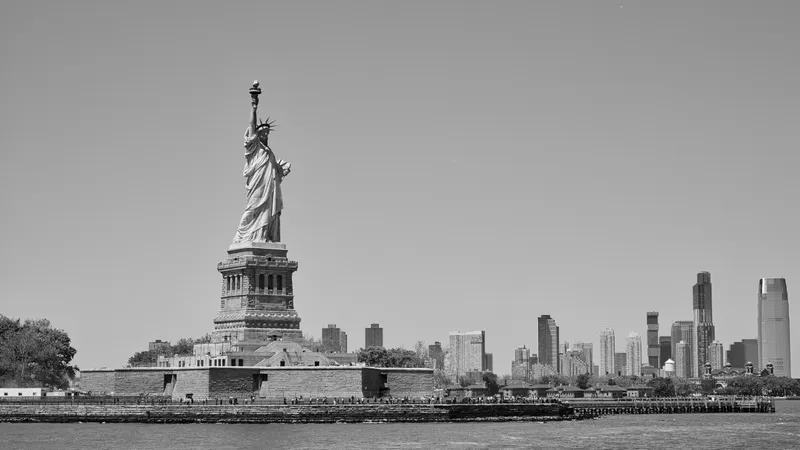
Overview
New York City operates at a density and intensity that challenges easy description. Five boroughs, each neighborhood distinct enough to function as its own city, contain multitudes—every ethnicity, profession, art form, and cultural tradition finds expression here. The architecture spans centuries. The museums are among the world's best. The food reflects the city's immigrants and their traditions. The energy is relentless and infectious. Walking Manhattan's streets, you encounter constant cultural collision—high art adjacent to street performance, wealth beside poverty, history embedded in every building. The city rewards both meticulous planning and happy wandering. No city in North America offers more sheer density of experience per square foot.
Best Time to Visit
Spring (April–May) and fall (September–October) bring ideal weather—mild temperatures, low humidity, and peak cultural calendar. December brings holiday markets and festive atmosphere, though crowds are heavy. Summer (June–August) is hot and humid but brings outdoor performances and rooftop culture. January–February is cold but manageable and offers fewer tourists. Booking accommodations far in advance is essential during peak seasons.
Neighborhoods to Know
Manhattan: The iconic island with Times Square, Broadway, Central Park, and most major museums. Essential but requiring selectivity to avoid constant tourist overload.
Brooklyn: Increasingly developed with neighborhoods like Williamsburg (hipster, gentrified), Park Slope (bohemian, residential), and DUMBO (artsy, waterfront views). More livable than Manhattan and revealing of contemporary New York.
Queens: Incredibly diverse with neighborhoods representing every global culture—Astoria (Greek, Italian influences), Flushing (Chinese), Jackson Heights (South Asian, Latin American). Authentic but less touristy.
Chinatown and Little Italy: Historic immigrant neighborhoods, though gentrification has altered their character. Still valuable for understanding immigration history and eating authentic cuisine.
The Lower East Side: Once an immigrant neighborhood, now increasingly gentrified but still maintaining pockets of authenticity. Good for understanding neighborhood transformation and finding good food.
Food & Drink
New York's food culture is literally global—every tradition finds expression here. Pizza (thin crust, slice culture) is iconic and worth debating. Hot dogs from street vendors are quick and satisfying. Bagels represent Jewish immigration. Dim sum from Chinatown is revelatory. Ethnic cuisines from every continent at every price point exist simultaneously. Food truck culture is legitimate and excellent. The city operates as a constant culinary education.
Street Level: Food vendors throughout the city sell hot dogs, pretzels, chestnuts, and casual fare. Chinatown's street vendors and stalls serve authentic preparations at minimal prices. Falafel shops, pizza joints, and taco carts line neighborhoods.
Mid-Range: Casual ethnic restaurants throughout all neighborhoods serve authentic cuisine at accessible prices. Italian delis, Chinese noodle shops, Mexican taquerías, Thai restaurants, Vietnamese pho stands. Deli culture (pastrami sandwiches, etc.) persists.
Elevated: Fine dining in Manhattan and increasingly in Brooklyn offers technical precision, rare ingredients, and service standards matching any world city. The restaurant scene is highly competitive and constantly evolving.
Getting Around
New York's subway is extensive and the fastest way to navigate. Learning the system takes initial effort but becomes intuitive. Walking is often faster than transit for short distances and offers better neighborhood engagement. Taxis and app-based rides work but are expensive and slow during rush hours. Biking on protected lanes increasingly viable. The city is designed for human-scale transportation—use it.
Insider Tips
- 1The major museums are world-class but crowded. Visit early morning or use "pay what you wish" hours when available. Focus on specific galleries rather than trying to see everything.
- 1Neighborhoods are distinct enough that visiting multiple feels like visiting multiple cities. Don't try to see all of Manhattan; pick neighborhoods that align with your interests and depth-explore them.
- 1The best food is often from street vendors and casual ethnic restaurants, not sit-down establishments. Dumplings from a dim sum cart, pizza by the slice, pho from a noodle shop.
- 1Walking is the best way to understand neighborhoods and their character. Get a Metro card and walk, occasionally using transit when distances are too great.
- 1The city changes constantly; even long-time residents feel the transformation. Your visit captures a moment—come with curiosity rather than expectations of finding something frozen in time.
### The Velvano Touch
New York City's reputation for endless cultural possibility is earned—the sheer density of human experience, art, food, and culture is unmatched in North America. We craft itineraries that balance the iconic (you should see it) with genuine neighborhood exploration, connecting you to the city's actual character beyond the guidebook recommendations.
---