Overview
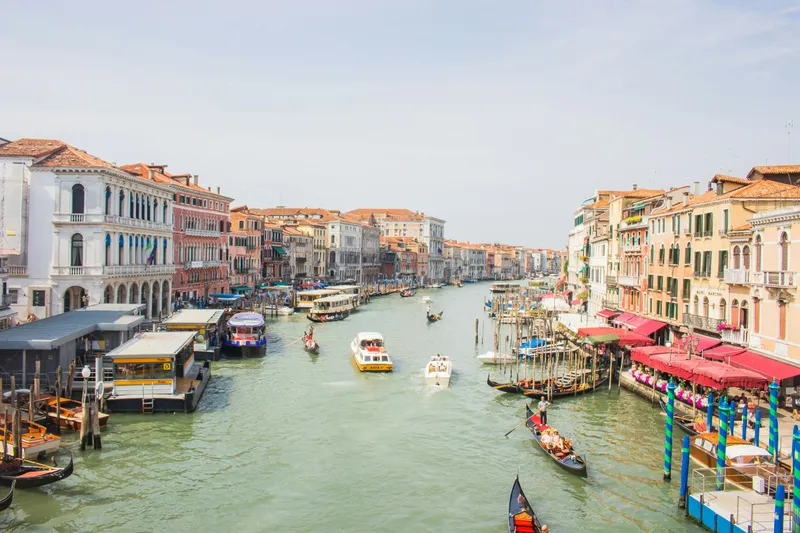
Venice is a city like nowhere else—built on water, navigable by boat, without cars, streets as canals. It's been mythologized endlessly; the reality of overwhelming tourism can obscure the genuine magic. Yet the magic is real: the light on water, the architecture reflecting in canals, the silence (no car noise), the spatial disorientation of navigating without straight streets. The city is sinking; it's crowded; it's expensive; yet it remains extraordinary for those patient enough to move beyond peak tourist hours and discover quieter areas. The Grand Canal, Piazza San Marco, the Basilica are undeniably beautiful and undeniably crowded. But moving into residential neighborhoods and smaller canals reveals Venice as locals experience it—a functioning city with schools, markets, residents, and rhythms beyond tourism. The Venetian light is particular; the stone and water create reflections and colors unlike anywhere else. Venice works best approached with timing strategy and willingness to accept that seeing everything matters less than understanding what makes the place significant.
Best Time to Visit
April through May and September through October offer pleasant weather without summer heat or crowds. Spring brings renewal; fall brings contemplative quality and declining tourists. Summer is hot, crowded, and touristy; winter is cool and rainy but brings solitude and atmospheric quality.
### Districts and Areas to Know
San Marco The district around the famous basilica and piazza, San Marco is the tourist heart. It's beautiful but overwhelming. The basilica is worth seeing; the surrounding area is relentlessly commercial.
Cannaregio The largest residential district, Cannaregio is less touristy and reveals how Venetians actually live. The Ghetto (Jewish quarter) is historically significant; the residential canals are beautiful and quiet.
Castello An eastern district with residential character, markets, and local restaurants, Castello is where locals gather. It's less central but offers authentic Venetian life.
Dorsoduro A western district with the Accademia (art museum) and local restaurants, Dorsoduro is pleasant and less touristy than San Marco.
Giudecca An island across the canal, Giudecca is quieter and more residential. It offers escape and perspective on Venice from across the water.
Rialto Bridge and Market The famous bridge is crowded; the surrounding market is vibrant and functional—locals actually shop here.
### Food & Drink
Venetian cuisine emphasizes seafood (being surrounded by water): fish, squid, shrimp, crab, scallops. Risotto (especially risotto di mare) is typical. Pasta is less central than in other Italian regions; rice and polenta feature more prominently. The café culture involves cicchetti (small plates eaten standing at bars). Wine is good; Prosecco (sparkling wine) is regional. Street food is limited; bars serve small plates; restaurants serve Venetian specialties at high prices.
### Experiences by Traveler Type
Couples - Take a gondola ride on smaller canals (not the Grand Canal), avoiding the tourist traffic - Navigate by foot/boat, getting lost in residential neighborhoods - Share meals at neighborhood restaurants in Cannaregio or Castello - Watch sunset from quieter bridges or along less-trafficked canals
Solo Travelers - Stay in Cannaregio or Castello for neighborhood feel and community - Take walking tours focusing on specific neighborhoods or history - Explore museums at your own pace; major museums are less crowded in early morning or winter - Spend time in cafés and bars observing Venetian rhythm
Groups - Rent a group apartment in Cannaregio as a social base for exploration - Book a guided walking tour of neighborhoods, then explore independently - Organize progressive dinners at neighborhood restaurants - Take a group boat tour of less-visited canals
Families - Explore neighborhoods by walking and vaporetto (water bus) - Visit major sites (basilica, piazza) early morning before crowds - Enjoy family-friendly meals at neighborhood restaurants - Take boat rides as part of exploration and transport
Adventure Travelers - Kayaking on surrounding waterways and lagoon - Cycling on nearby islands and mainland - Hiking on mainland (Dolomites are accessible by day trip) - Multi-day boat trips in the surrounding region
### Getting Around
Venice has no cars. Navigate by foot (the city is walkable but disorienting) or vaporetto (water buses; a travel card covers multiple days). Gondolas are the iconic transportation but expensive for any real distance. Water taxis exist but are very expensive. Walking and water buses are practical; getting lost is inevitable but part of the experience.
### Insider Tips
- 1Arrive early in the morning or stay overnight. Day-trippers overwhelm the city 10 AM-5 PM. Arriving very early or staying overnight allows you to experience Venice when it's more manageable and atmospheric.
- 1Cannaregio is where Venice actually is. The neighborhood is less touristy, has real residents, markets, schools, and functioning community. Spend substantial time here rather than only in San Marco.
- 1The Grand Canal is beautiful but visit at quieter times. Walk it early morning or ride it at dusk when light is golden and crowds thin. Midday is wall-to-wall people.
- 1Get lost intentionally. Without straight streets, Venice is disorienting. Move without agenda into neighborhoods; you'll discover quieter canals, local bars, neighborhood restaurants. Getting lost is the point.
- 1Avoid eating in San Marco. The prices are inflated; the food is mediocre; the experience is entirely for tourists. Move into neighborhoods for actual Venetian restaurants serving actual food.
### The Velvano Touch
Venice is unique; it demands patience and timing strategy. The iconic beauty is real but accessible mainly outside peak hours and in quieter areas. We'll craft your days around experiencing Venice authentically: staying overnight or arriving very early, exploring residential neighborhoods where locals gather, using vaporettos and walking to navigate the waterways, eating in neighborhood restaurants, and accepting the disorientation as part of the experience rather than fighting it.
---
Food & Drink
Venetian cuisine emphasizes seafood (being surrounded by water): fish, squid, shrimp, crab, scallops. Risotto (especially risotto di mare) is typical. Pasta is less central than in other Italian regions; rice and polenta feature more prominently. The café culture involves cicchetti (small plates eaten standing at bars). Wine is good; Prosecco (sparkling wine) is regional. Street food is limited; bars serve small plates; restaurants serve Venetian specialties at high prices.
Getting Around
Venice has no cars. Navigate by foot (the city is walkable but disorienting) or vaporetto (water buses; a travel card covers multiple days). Gondolas are the iconic transportation but expensive for any real distance. Water taxis exist but are very expensive. Walking and water buses are practical; getting lost is inevitable but part of the experience.
Insider Tips
- 1Arrive early in the morning or stay overnight. Day-trippers overwhelm the city 10 AM-5 PM. Arriving very early or staying overnight allows you to experience Venice when it's more manageable and atmospheric.
- 1Cannaregio is where Venice actually is. The neighborhood is less touristy, has real residents, markets, schools, and functioning community. Spend substantial time here rather than only in San Marco.
- 1The Grand Canal is beautiful but visit at quieter times. Walk it early morning or ride it at dusk when light is golden and crowds thin. Midday is wall-to-wall people.
- 1Get lost intentionally. Without straight streets, Venice is disorienting. Move without agenda into neighborhoods; you'll discover quieter canals, local bars, neighborhood restaurants. Getting lost is the point.
- 1Avoid eating in San Marco. The prices are inflated; the food is mediocre; the experience is entirely for tourists. Move into neighborhoods for actual Venetian restaurants serving actual food.
### The Velvano Touch
Venice is unique; it demands patience and timing strategy. The iconic beauty is real but accessible mainly outside peak hours and in quieter areas. We'll craft your days around experiencing Venice authentically: staying overnight or arriving very early, exploring residential neighborhoods where locals gather, using vaporettos and walking to navigate the waterways, eating in neighborhood restaurants, and accepting the disorientation as part of the experience rather than fighting it.
---